
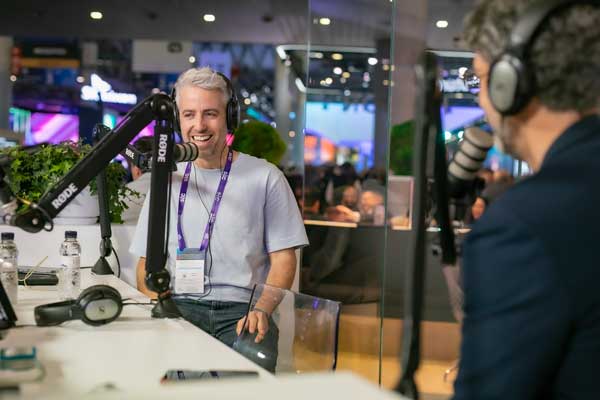
From Barcelona to the world: MWC's tech for good revolution
Join Matt and guest host Gil Rosen as they are speak with Lara Dewar, CMO at GSMA, and other guests about a wide range of topics, starting with what's took place at this year's MWC.
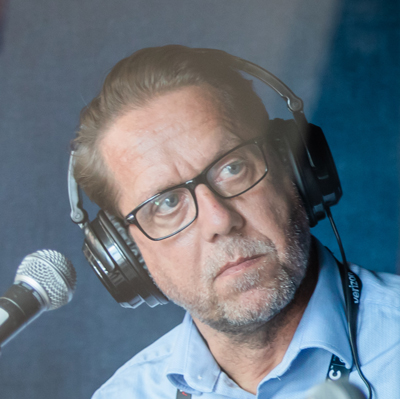
Matt Roberts, Head of Customer Marketing, Americas, Amdocs
S8 E1
07 Mar 2024
Please provide your details
Asterisk (*) indicates required field.
Thank you!
Your submission has been forwarded to the appropriate contact.
March 6, 2024
From Barcelona to the world: MWC's tech for good revolution
Welcome back to the Great Indoors season 8! We are back in Barcelona at the Mobile World Congress 2024. In this inaugural episode, you’ll hear from four exciting guests, one of whom is Gil Rosen, joining Matt Roberts as a guest host. They will be joined by Lara Dewar, CMO at GSMA to discuss the conference itself, the implications of new technology like GenAI and how MWC is engaging young people.
You’ll also hear from two exciting guests from Startup Sherpas, Natalia Olson-Urtecho and Hugo Pickford-Wardle, who are empowering entrepreneurial teenagers to build a better tomorrow. Join us for this new and exciting season!
So welcome back to MWC twenty twenty four here in beautiful Barcelona. And I'm really excited to welcome back for the third time, the GSMA CMO, Laura Dwarf. Welcome back. Welcome back. So much for having me. Thank you. Yeah. And joining me is Gil Roseanne, our CMO who's been co hosting several of the episodes so far this week. So it's always great to have Gil on board. And hosting the show is And hosting. Oh, wow. Yes. Yes. I can't even remember my name anymore. So that was good that you prompted me on that, Gil. So, Lara, let's begin. Let's dig in. How's the week been? The week's been absolutely mad, which is I think exactly what we want from MWC. This edition is the biggest since pre pandemic. Yeah. And we're very, very proud of it. The halls are busy. The content program is, you know, it's spinning. It's incredible. And the ministerial program, which is kind of behind a veil because it's an invite only program, is also just, we're just blowing the doors off of it. Yeah, it's incredible. It's absolutely incredible. And you referenced it there, Laura, that when the pandemic hit, that's when we started the podcast, but everything stopped. We talked about it, you and I, we've talked about it several times over the years. Is everything gonna return back to full capacity? And it is. It's bigger and better than ever. And I think that's a credit to you and credit to the GSMA because I have to say, not all the regular events we attend survived, right? Even now. I can definitely feel the energy, which is different than the year before and the year before that. And I think it's not only post COVID it's even pre COVID it's probably one of the most energetic shows that I've been in. And it's also the evolution of the industry beyond the single connectivity connection, theme. And I think that's super interesting. I'm going to ask you the obvious question, of course, and I know what the answer is, but, I think we should dive into it more. What is the topic that is I think on everybody's, not minds, but on everybody's floors here? IOT, is it? Well, it's AI. Does that surprise you? No. Not at all. No. It's just, it's everywhere, isn't it? It's the most profound thing. We have two hundred and sixty ish sessions in our, across our contenting, across across content rather, across eighteen platforms. And of those two hundred and sixty, fifty of them formally are about AI. And then there's thousands of informal conversations going on regarding AI as well. And lots of innovation on the show floor. Yeah. You know, I of course, so Amdocs, we're all in on generative AI and not going to talk specifically about what we do, but the thing is, which is striking in my mind is that when I think about last year twenty three and this year and the difference that, and the Delta from what we showed last year to what we showed this year for me, it feels like five years have passed. The amount of innovation that we've been able to insert, inject into our suite and the amount of innovation that we can even inject into legacy Amdocs and even non Amdocs products with our generative AI platform, Amaze, is profound. And I think what's profound about it, I'll be glad to hear your take is, it's not just like our industry's development. This is like a society changing technology. What do you think? Completely. We did a graph for a presentation we were working on when we looked at adoption of certain kinds of technologies over the years and how long it took to get to a hundred million users. And chat GPT was just two days. Yeah. So, we also said in the same context, we used to plan like a short term plan was like six months to two years, and a long term plan was five to ten. Of course, in recent times, we look less at the long term because five years seems like such a long horizon. But that short term horizon is now like, it's six months. Yeah. Yeah. In fact, long term horizon is almost six months from a technology perspective. Maybe not a strategic one, but, yeah. The the pace of technology is breathless. We we were talking, just before this got started about Sora. And, three or four weeks ago, it wasn't there. And we were thinking maybe one thing about the development of movie making, knowing generative AI and then Sora shows up and shows you the capabilities or just the beginning of the capabilities and you realize what you thought was like nothing compared to what is will be impossible. So it's like, it's mind blowing and it's not just communication, it's an industry. It's all verticals and we support all of them. That's why we, I think are super important. Yeah, of course. And actually on the show floor represented attendees, for example, thirty thousand companies represented. Sixty percent of those are outside of the core mobile ecosystem. So it's that's a reflection that the things that are occurring now, the innovations that are happening require at least collaboration and partnership and probably more than two entities, sometimes three. It's just it's incredible. I have a question for you. I I believe we get it. I can tell you from a company perspective, we're all in. Do you feel that all the companies and as an industry, because you don't have to name names, but do does everybody get it? Or is it still do you need to still push people to do it faster or to even accept the fact that this is game changing? No, think everyone gets that it's game changing. I think there's still polar opposite ends of a conversation where we're concerned about the implications of a technology we don't completely understand yet through to early adopters who, to your point, they're like all in and just making cool things happen. And I think that's where the GSMA comes in to an ecosystem and says, let's help sort out this conversation. Let's bring some examples of where things are being done really well, but let's also make sure that we're having the conversation around what's responsible and ethical in this new And so for us, that's where we find meaning and purpose in the work that we do. Is it not This was something I heard Satya Nadella, the CEO of Microsoft talk about in Davos. And I don't know if you guys have looked at this, Lara. But the thing that excited him the most, we talk about how quickly it got to get to a hundred million users. But when you look at those jump to jumps in innovation that affect just global living standards, typically it'll always take So for example, the industrial revolution that started in the United Kingdom, then took two hundred years to reach India. Right? Then the Internet was created and took ten years to reach India in any meaningful format. And it wasn't until mobile Internet that it really proliferated in India. This was his example. The interesting thing about generative AI and Chatchipiti is it took again weeks now to reach the people in India who were using it, building on top of it, changing their ways of life. So it's the adoption, but where the adoption is happening as well, it's much more equalized. Is that something that you've witnessed and seen? I think that's a true observation. I think we are also though concerned as an organisation about the three point two billion people on the planet who have coverage and access to the mobile internet but don't use it. And there are root causes to that. And we, as an organization, want to ensure that as we move forward with this technology or any technology, even just the acceleration of digitization, that we're not leaving people behind. So we have a very significant focus ourselves as an organization and all of our mobile operators really around how do we address that usage gap. And the underlying factors range from affordability of handsets. So that's the hardware part of the problem. Yeah. And then literacy, relevancy of content, which is could be solved with AI. So think about app development and how you could accelerate it in multiple languages and contexts. Yes. Now using this technology, so I think it's interesting. We don't want the usage gap to persist, we want to address it and maybe AI is part of the solution to do that. Now, and fascinating. I'm gonna do my own piece of market research here. And this is something that's occurred to me interviewing numbers of guests this week. Okay. Somebody said to me AI is only limited by human imagination. Right. And I ask every single guest, okay, we know what it's going to do for the industry, we know what it can do for the world, we're having these discussions this week. But I've asked this question to around sixteen people now and had a unique answer every single time. Oh, maybe I should take my headphone off. I don't hear what she says. Yeah, exactly. Exactly. But Laura, for you as an individual in your everyday life, what are you using generative AI for? So in in a work context, we are using it this year for the first time, on contact us, pages on our website. There's an AI enabled chatbot to help people who need help registering or getting around the show floor, those sorts of things. So it is to a large degree propping up our customer service element of this program. There are lots of plans to use it further over the course of the next year, but that's really the main one for us and it's really relevant to this show. My personal life, I haven't even started using it Okay. Well, you're very busy. So the the the two kind of intertwine, I guess. And I will tell you that I come here I you know, this year especially, you come here, you get really really inspired by what you see. But I'm a writer by trade. I'm a communicator. So I have a maybe personally a tiny resistance To trying it, because I don't wanna know it's better than me. Stringing words together. But we'll see. We'll see. Gail? Well, know, so Amdocs aside, cause we are all in. I think it could be interesting to talk about how we, my organization, the marketing organization has embraced AI. I would dare say without offending anybody, even before the Amdocs technology people implemented it because we the first capabilities that were available were more, let's say, lending themselves to the marketing domain because it's about writing content creation and imagery, which is a big part of what we produce. And we and this what you see behind us, this entire booth was produced by my internal team unlike previous teams where we had to hire graphic designers and video editors and video art creators and everything. So the amount of work that we do on the marketing side, which is supported by generative AI has been profound. It's not necessarily that now we need ninety percent less people. By definition, almost we are understaffed by now we can handle bigger loads and we can produce more and we can be more cost efficient and we can be more original. I think if you look at this booth again, without of course I'm promoting it, but I think the imagery that you see is not something that you would see in any image bank, right? You wouldn't find it because we created it based on our prompts. So I think that for marketing teams all over the world, I think that's a major leap forward on a personal basis, which how it started this journey. I use it for my vacations. I use it for research. I use it for image creation during presentation making. I use it all over. I do have to say that I actually found a very interesting and ordained reason for friction, why a lot of people don't use it. Many, IT departments are blocking the access to chat GPTs in the office because of security concerns, which are true. But it's like your employees have the power or have the access to be super employees and you're blocking it. So stop, solve the security issues and give them access. And I think that's a, that's a like people between nine to five, so to speak, cannot use generative AI. It's like between nine to five, your employees will be slow. I don't think so. So I think that's a big big, small, but big thing. It is a small, but big thing. It's a really big thing. I would ask you a question, Gail. Go ahead. So generative AI is everywhere. Yeah. When I get back to Canada, back to Oakville, I will be talking to my children about generative AI for probably the next month. It'll certainly help them get to sleep. I am not a robot. I'll be part I'll be just doing interviews with them. They'll say, mommy, daddy's lost it. But what else have you seen at the show other than generative AI, Gail? Because it it's everywhere. It's, you know, it's interesting and hit me maybe on day two, which was yesterday, right? In the previous years, and I've been going to the show for a very long time since two thousand and six, think consecutive. Thank you for that. Wow. I started in the startup booths and I ended up here now. In the last few years, five g and the five g banner was everywhere. Now look around you, even visually, you don't see the like words five g and, but what you do see are the use cases. So I think it's really cool as an industry that we're not just shouting the buzzword and talking about the frequency because nobody cares from a customer perspective. They care about what they can do. And I think what you see around are all the mature applications that people figured out how five gs can enable, that five gs can enable. And I think that's super cool. It's like, it's the real thing. So beyond five gs, it's not a six gs. It's the implementation of real use cases, valuable use case in real life. When did you Laura, when did you as an organization and as the CMO of the GSMA realize that this was going to be the thing at the show? Because it must When did it sort of When did you say to your team, hey, it's gonna be all Gen AI this year. When did it occur to you? So we start planning for next year's edition now. Right. And so we focus on themes all year long. We have the benefit of the GSMA of having a membership base and many working groups. And so we have voices and conversation all year long where themes and topics are bubbling up all the time all the time all the time. We, in the summer before this edition, so let's call it July twenty three Yeah. Started having serious conversations around what does the tagline for the show need to be. So we decided on future first. That then begins to kind of cast our vision forward into what are the themes for speaking. And as we looked around, as we listened in on those conversations from members, AI was just it's just undeniable at the moment. Yeah. And everybody knew, right? We all, you didn't have to be, you didn't have to use generative AI to know that generative AI was gonna be here. But I've never seen anything quite like it. And I think if I quote you correctly here, Lara, you said it's a step change in humanity. Hundred percent. Yeah. I remember so I'm newer to this industry. I come out of financial services and energy broadcast a little bit. When we were talking about the metaverse last year, I thought that was the biggest thing. And it feels like that conversation went off of a cliff. Now, I'm not making a declaration there about the technology or the use cases for the metaverse. That's still important technology, web three stuff. But it's just AI feels much more pervasive. Yes. Than that conversation. And it's cross industry and it's all the way down to education. And you talked about before, and I actually be interested in something that we exchanged online. The issue is education will need to be different because in the past you had to study mathematics, then maybe do a degree in computer science and then become a developer and then be able to be like, this is your path to the industry. Now you just have to learn good English and you can be a developer. Now you don't have to be. So education system will definitely, or hopefully most likely change. And what we talked about in one of the panels, never too young to lead, which I participated in The question that I was asked was, how do we open up this industry to make it accessible for young people? And I commented, it's something that I think you should or can help on is that we're kind of a closed club, right? Nobody outside our industries in the show, who's not a professional, didn't pay a lot of money, who flew specifically. And I would say not identical, but similar shows like CS are open to the public. So maybe we can have a week of, and then a week of, right? A week of open and a week. But do you think that's kind of necessary to get the talent that we want in our industry versus other industries? Absolutely. But I think there are some things that we've done in the last couple of years and I can talk about some things we're doing on the show floor this year. Okay. So that panel existed because we wanted to bring that diverse thinking to the show floor. Forty five percent of our speakers are women, which is an astronomical number compared to where we've been in the in the past. It's a reflection of our intentionality and also the direction the the direction of travel in the industry. We've got a talent arena on the show floor, which is sponsored by Mobile World Capital, which is that foundation in Barcelona that keeps the MWC conversation going all year long. And that talent arena brought in young developers who were confronted with challenges and tried to solve them on the spot with the intention of introducing them to prospective employers. We've also got a DevCon on the floor relative to Open Gateway. So there are ways that we're opening this platform up so that it's less mobile ecosystem Yeah. And more, future first digital transformation and everybody impacted with that. Having said that, imagine the opportunities that AI opens up from an education perspective, where just little girls have been counted out of STEM Yeah. For years because we've been told we're not good at math. Yeah. What if you didn't have to believe that anymore? Because maybe that barrier either gets removed or how you learn it changes Absolutely. And how you interact with it. And so we can bring new voices to the table all the time. But that there's an intentionality in our program that I think we have a moral imperative to continue building out. Yeah. And then I'm just super excited about the impacts of AI on things like education. By the way, interesting point. Coming up, International Women's Day. So we did some primary research on the involvement of women in generative AI. And without doing a spoiler on the results, because we will be releasing them during on, I think it's next on the fifth, if I believe. The, there is still a gap between the usage of generative AI between females and males, which inherently creates even a bigger gap because then the collective intelligence of generative AI is based more on the usage of men. And I think your push to include more women is super important for that reason also. We did a LinkedIn live webinar a couple of weeks before MWC with as the sponsor, where we talked about bias in AI. Yeah. And how we will just take what exists today and replicate it in an AI world unless we ensure that the people participating in AI look like the Yeah. And so we that's an area where we have to be super intentional about including people, raising the skill level for all of us and finding ways to include everyone in this conversation. Because if you get it wrong, it's really difficult to undo. One hundred percent. That's the huge issue here. And I remember we was talking about youth initiative a year ago, Lara. What other social societal projects at the GSMA undertaking from this point forward? So we have a track at the show called Diversity for Tech. And I made a promise on that stage last year that I would bring that conversation to the main stage, which is our biggest stage, so the big keynote area. Yeah. So we did that this year and we had a conversation about diversity, inclusion, online safety, AI ethics. So, that kind of work continues. We also do a bunch of work through our foundation using, you know, tech for good kind of programs. Yes. There's so much going on. This this continues to be the main conversation though, AI and ethics in that realm. That's wonderful. And what are the plans beyond I don't want think too far beyond this week, but what are the rest of the plans for the year? Obviously you're going to be back in Las Vegas. I see Seoul on the agenda. What else is the GSMA putting out there in the next twelve months? It's amazing, isn't it? I don't wanna wish this week away. No. Of course. But we are we are past the halfway mark, aren't Yes. We could we could probably start celebrating anytime soon. We will do MWC Shanghai in June, and then we'll be in Vegas in October, as you mentioned. Then we will be in Gagali at the end of October. Gagali is a really important platform where we talk a lot about that m for d work, the mobile for good work. Yeah. One of the key elements of that conversation in Gagali will be addressing the usage gap, and talking about innovations like mobile money, etcetera, and how, well, that's a solution to many problems. To the unbanked, to small, medium sized enterprises in low and middle income economies. We we also run the m three sixty series. So, those are more regional smaller regional events that focus on very local challenges. Yeah. They might be fair share or taxation, that sort of thing. Yeah. And so there's a number of places around the globe where we'll be doing that as well. Yeah. And then a host of other activities from the GSMA. It's incredible. Participated in Mexico City. Oh, thank you. And I believe you were there in Mexico City. I was. I was. We'll be back in Mexico City this year. We'll be in Baku. We will be in Seoul. We'll we will be in Doha at the end of the year is new for us. Yeah. And you're not gonna bring it home to Toronto? No. Not yet. No? Not yet. But I am determined to get a little bit more of Canada. He just wants to stop traveling. It's completely self serving. Don't listen to him. I have a know, I actually I'm there in in April, so we'll have to have coffee yesterday. Give me a shout. Okay. What was the the place I go to in Bronte? Resto Plank, for the place. Oh, that's a lovely spot. Nice choice. Nice choice. You know, it's interesting you talked about diversity inclusion. I think one of the most exciting things that are happening with this technology is that the opportunities in the past were based many times on circumstance. So where you were born and the circumstance of the family you were born into and the capabilities they had pretty much dictated what you could do. And yes, you could work super hard and close the gap. But if you had to be with your parents and their small medium business and help them and not go to high school or maybe skip a day or two and then your studies weren't excellent. And then the university you got accepted to was maybe a mid tier and not the higher tier. And then that kind of the domino many times started when you were young. I think that technology will give everybody superpowers that will enable them truly to be what they can be. So I don't think it's like level the playing field because that's, I don't think that's what we're striving for. We want talent to be, what it can. And there are some people who'll be always better than others, but I think it really will give people opportunities worldwide to be whatever they can, whatever they want to be, because they can be a developer, they can be a designer, even though they didn't study mathematics and computer science, or they didn't study graphic design software. So I think that's amazing future potential. And yes, we have to take care of all the ethical part of it and regulate it somehow without killing it. And I think we as an industry have to make sure connectivity is available everywhere because that means that's like the, you know, table stakes. And hopefully I think we're getting there and I think we're also getting the help of also transmissions from above earth to help us real, to get real coverage. And I think that will make it even more interesting. So I'm super hopeful and optimistic for the future. Do you feel like if you had to weigh it more dangerous versus more potential, how would you rate it? I love that question. Ninety five percent of the world's covered by a mobile network. So I wouldn't call that a solved problem, but we're well on the way to solve. So you're right, access isn't the problem. It's those underlying issues related to usage. It's hardware, etcetera. How I feel about the future is inspired and excited. I think I've met here over the course of the week regulators and policy makers who are working together with business on the issues of regulation and ethics, which you're right. There's a tension between wanting innovation and recognizing that it needs some regulatory framework to keep us safe. Do the regulators get it? The regulators get it? Absolutely. Yeah. Absolutely. I mean, regulators that I've spoken to this week see the responsibility they have, but they also see the opportunity to solve some of the problems they have in their own countries Yeah. Relative to size of workforce, availability of workforce Talent, yeah. Talent, that sort of thing. So, I think I'm very inspired by the conversations that happen in a place like this. MWC is a really unique combination of you mentioned CES earlier. Yeah. It's a dangerous thing when a marketer starts using comparison to explain their product. But a little bit, This is like a CES combined with a WEF, combined with a UN. That's what MWC is. So it's one place to come and have all of those conversations. That's actually That's worked. Right? That explanation worked. Okay. Good. Excellent. And I think that's the unique formula that is MWC. So you're having all the sides of the conversations here, as opposed to maybe a one-sided conversation. I feel really inspired by the whole thing. And really grateful to get to be a part of it. Wow. It's wonderful. And it's a very optimistic we're almost out of time, Nora, I'm conscious that Wow. That you have a lot of it. Was fast. We could talk here all day. Yeah. Really good. And it's it's wonderful to have you back. And you know how we finish these things, if you recall. You remember. Yeah. The TGI to go. So we had to go back through all the questions we asked you before and make sure we don't repeat them because that would be a bit monotonous. So we've got some nice fresh TGI to go questions for both of you. Okay. Awesome. And so let's do it. TGI to go. Right. Can or niece? Can. Yeah. Did you ever attend MWC when it was in Can? No. But they're both beautiful spots, so I don't think you can get that question really wrong. And I'm going to Can in a couple of months. So I was in, I can tell when was my first year in MWC because it was the first year after can. Yep. Two thousand and six then. Sixth. Yes. So that was a, so I still have to go there. So that would be my answer. Would you rather watch sci fi or a good comedy? A good comedy. Have you seen any good comedies recently? Any recommendations for my long flight back home? I think we're living sci fi, so I would go with comedy. Yeah. That very smooth. That was cool. I like that. Beyonce or Taylor Swift? Are you a Swifty? Don't lean in either of those directions, but I have to say that I really I mean, both women are powerhouses. Right? It's easy to respect both of them. What Taylor Swift has done this year though, whether you like her or her music or not, I appreciate her her tenacity. I appreciate the way that she speaks about hard things, respectfully, but directly. And I do think that she is a role model. Yeah. It's it's it's really good. And you know, when you talk about her resilience and and her hard work, you know, I do a week full of podcasts and that feels tough. The amount of concerts she's done on that tour is insane. Yeah. So when the next time you complain, I'll say, but Taylor doesn't. But Taylor Swift. Yeah. I Everything that Laura said, I completely agree with. She's an amazing personality and she's well, she I mean, a person going against the industry that supports her and actually winning and then going to the next level is nothing less than amazing. But you wouldn't catch me listening to her songs. Not because I don't like them. Mean, they're cool songs. It's just not my type. Beyonce, I love the Verizon commercial. I think that's That in my mind when we first drafted that one, because we've had Verizon here this week and their Super Bowl Beyonce campaign was incredible. Gorgeous. Incredible. And my final question, but I think you've given me an answer already. If you're gonna take a vacation after the show to recuperate, would you go to Thailand or Antigua? I would go to Antigua because I need to sleep. You need to sleep. But you said you were going to the south of France. Right? Yes. That's true. That's for work. But that's business. Yeah. Okay. Go. I'll pick Maldives. I know you didn't ask ask, but I'm answering. That's that's the that's the direction, the Maldives. Somewhere restful. I need I need white sand. I need blue. And then I need nothing else in between and that's it. Yeah. And a nice cocktail maybe. Yeah. Exactly. So I wanna thank you, Laura. I wanna thank you, Gail. Thank you, Matt. I wanna say congratulations on just a stunning show this Amazing. Amazing. Absolutely stunning. And I wanna add to that, by the way. So, as organization, of course, as a company, we go to and we are asked to participate in many. This is the Super Bowl. This is where this is also from as a marketing organization, this is the biggest event that we partake in. We love the vibe. As we finish this week, we're I'm my head is already, how can we talk this year? And I was thinking the same the year before and I was thinking the so it always challenges us, which is what we love to be challenged. And I and I love the venue. And so thank you. Thank you for keeping it up so so good and and and pushing us to to bring even more every year. Thank you. I'm super inspired by what you guys do and appreciate the opportunity to chat and very glad that Amdocs is a significant part of that vibe. Thank Amazing. Thank you, Laura. You're welcome. Thank you, Matt.
The moral imperative of inclusive AI
My two guests to the great indoors to close it out for season eight and for MWC Barcelona. We have Natalie Olson, who's the head of government and innovation at Startup Sherpas. And I'm joined by a fellow Brit, his name is Hugo Pickford Wardle and he's the founder of Startup Sherpas. So welcome to the great indoors, both of you. Thank you very much. Thank you, it's exciting to be here. Good, I'm glad you're excited. And for our listeners, Natalie, just give a brief history of yourself if you will and your current role that you're trying to achieve with startup shirkers. Thank you so much. Well, I'm a serial entrepreneur. I actually lived all over the world, which I'm very fortunate about. I live between Barcelona and Palo Alto, California now. And like I said, many companies, different stages of my life, I've been in the government, I was in the foreign service, I've been a diplomat for a long time. And then I got the call from President Obama to come and be the SBA regional administrator and be his advisor for innovation competitiveness. Wow. It's been seven years of I said we were going bring it home in style. I didn't know we were going to go that far, but that's wonderful. Wow. Yeah. And so now we, I and all the companies that I work with, especially today I am starting with Startup SharePass. We're bringing them to Barcelona, so I'm very excited to join them in this new Excellent. And teaching everyone about entrepreneurship, so it's exciting. Fantastic. Hugo, you got the call from David Cameron, right? I got many calls. None none like that. Definitely not like that. But we did actually meet Natalia in Barcelona when we came in November and actually just seeing how excited that she is having all of those experiences and understanding that what we're doing is. Is actually important and that we need to take it across the globe has obviously made me buzz with excitement and coming here again to Barcelona to mobile world Congress and just seeing the appetite that everybody has for supporting us and, supporting the teenagers to be able to actually, learn the skills that they need in a world that is hugely complex with massive problems. So I think that it's a real testament to humanity that even when we kind of see what's going on in the world, everyone's really excited about what can come next if we all work together. Yes. So just tell me if you will, what is Startup Ship essentially? So we're a mission driven business. We're aiming to create a whole generation globally of teenagers who have the skills of innovation and entrepreneurship so they can go and solve the big hairy challenges that our world has. Things like climate change, quality, food systems. They're all really, really complex forms to solve. They're systemic issues. And so Yeah. We just teach teenagers how to do that by paying them cash. Right. Okay. When they're thirteen years old Yes. And work experience. Yeah. Turns out that all teenagers globally love getting cash. I don't know. I have a fourteen year old daughter and I give her five bucks. She won't clean her bedroom. But maybe I need to up that that incentive. Well, I think there is a difference because we're luckily not a parent. Right. Or a teacher. Okay. We're an employer and so we set out those rules at the start. Right. I mean, I also have a fourteen year old and Right. They still want the cash. They just don't do the things for the cash. But why teenagers then? Why are you targeting teenagers? So what we see is that there is an issue that we go around different industries. Cyber's a great example. You know, there's massive skill shortages and I go and speak to leaders of those industries saying, hey, we can't get the talent. And then I go and speak to teenagers and they say, we've got no opportunities. There are no jobs. Wow. And both of those things can't be true at the same time. Right. So what we realize is that if we get to teenagers before their career, then we're going to be able to actually get them to be ready to go into the world of work. So you'll actually find the case with an interview, they have a CD with experience on it from companies that people recognize and and suddenly actually help solve that problem. Oh, wow. That's really that's really cool. That's really cool. Especially, here in Europe and across the UK as well, in the days that I remember when I was a kid, I could actually, in the US, deliver newspapers. Then I used to work in my grandpa's hardware store. And he has a gas station, and I got tips. I love the idea of getting my own money. And I had that independence. And so, I come to speak about entrepreneurship here a lot, and they want to go ahead and have scientists and engineers start companies, and they haven't had So if you don't start when they're younger, from thirteen year olds to nineteen year olds, and getting them into that mindset. We're not saying we want you all to start companies, what we're saying is that we want you to start thinking of how you're going to commercialize, how are you going to solve big problems. And that entrepreneurial mindset is what gives those folks that, those ideas and they can think outside the box. And you know, for example in Virginia, near Washington DC, we are lacking like fifty thousand job, you know, people for fifty thousand types of jobs in cyber security. Right. And software dev, mean, that's a big thing for us. And, know, Amdocs, you guys are doing such a great job here in that sense. But the talent is what's needed, and I can't seem to inspire people unless I get them early. That's why startup SharePuzz is unbelievable. Their business model is great. That was going to be my next question. Is there a specific technology? You're at a technology show that, you know, that a, you wanna focus on or b, the teenagers are more interested in. And c, is this a global initiative or something based in Europe or the United Kingdom? Yep. Great question. So so first of all, What we do is when we're getting a teenager, who's thirteen years old. If we think about technology stacks, then we work it back to technology. Then we work it back to STEM. Actually, what we're doing is getting all of the teenagers who haven't identified themselves as being interested in STEM, actually interested in STEM. Okay. So we call it the fight club approach. Right? The first thing you're doing, don't talk about it. Yeah. Yeah. So we don't talk about, hey, come and work in cyber. We talk about the anti scam squad. Yeah. So how can you help your friends stop being scammed on social media Right. And get paid for it and come up with ideas in it. Then we can drip feed the content frame. So we're like an amplifier for all of the initiatives that they're saying, like, there's a huge number of different, initiatives that everyone's doing. We're just massive amplifiers of that saying, actually the problem with the number of teenagers that you're getting engaged is that if you do it, like I say, a STEM project in school, or if you do girls who can code or if you do technology stack x for these types of students, you're assuming that they already have some idea of that. And our advisor, doctor professor Ger Grauss has a lovely simple statement he makes, which is children can only aspire to what they know exists. Yeah. Yeah. It's beautiful because it's true. Yeah. Yeah. And the problem is that there is no way for teenagers to understand what exists in the world. Yeah. Unless they get experiences. Yeah. Yeah. And the current model of work experience is really well, it's location based. Yeah. It's office based. And then obviously COVID happened. Yeah. You guys created this podcast. Yeah. Well, that was a big moment for COVID. Definitely for COVID. Actually it started to shift the dial and kind of people starting to realize that we can do something that's deployable globally, remotely. So we focus on teaching them remote work and asynchronous work. So wherever they are in the world, whenever it's on their schedule, then that's when they're participating. Because we have students who are caring for their ill parents. Yeah. We have students doing horse riding lessons. Yeah. It doesn't matter what they're doing. It's just that we actually give them the permission and the tooling to be able to do that on their own terms. That's really cool. And and something came up in a conversation yesterday that I'd like to share with you that's really pertinent to this. So yesterday we had Laura Dwar, who's the CMO of the GSMA, the chief marketing officer, if you know Laura. And she was joined by my boss, the chief marketing officer of Amdocs and we had a conversation. And something Laura said to me a year ago when we interviewed her here in Barcelona was, one of my initiatives is to get more young people into the show. And then Gil spoke on a panel about how do we do that? How do we do that? Could something that be really beneficial to them is to bring them into the show. Like, look at these booths, look at the demonstrations, look at I You know, going back to to my youth as a thirteen year old coming in and seeing this, that would give me a huge amount of inspirational, the ability to converse and and and to to see everything's going on. That that that could be something that would really propagate this initiative. Right? A hundred percent. So actually, Marta, one of our teenagers, has come with us. Okay. So she's on our startup program. She's created an amazing robot spider that replants trees when there's been a forest fire. Wow. So the places that the other machines can't actually get to Yes. She can scramble up there and replant them a rake faster than most of the machines do. She's amazing. Wow. Wow. She's eighteen years old. Right. Wow. It's crazy. Yeah. But, you know, teenagers are a peak creativity. Bringing them to a show like this is actually an immersive work experience. And so I think it's an absolutely critical thing to do. For them to get the most out of it, they actually need to build their confidence before they come. A lot of the programs that we see haven't done the bit of onboarding students. They kind of there you go. They tease them a little bit as well. Yeah. Not tease them as in ridicule them, but you know, yeah. Yeah. They're just giving them a little little taster. Yeah. What we found is that when we get teenagers to do individual work, that's really, very well defined in what we're asking them to do. The rules are very clear and obvious. Their confidence be built really quickly in even really complex domains. So whether you tell telco is complex, you're having to think about kind of a whole system networks technology is really complex. It's also entirely hidden from anyone in the general public. Yeah. Apart from obviously the consumer part of the mobile phones, but the the really complicated stuff. When we get them to actually start exploring that on their own before even working as part of a team for the teenagers, They go from the start of our program and say, why are you paying me cash? You're a scam. Number one question we get asked by teenagers. Are you a scam? Right. Six weeks six weeks later, it's who owns the IP of my ideas? And the confidence build in that time from going that they couldn't imagine anyone paying them for their ideas Yeah. Through to being concerned with who owns the IP. It's just an amazing journey for them to go on. Once they've done that, when they come and get immersed in a world like this, they're ready to ask really good questions Because they've actually already got the confidence that they can go up to anyone in these stands. It's actually, if we just dump them in, it's intimidating beyond belief. Yeah. If you go around and ask the adults here how intimidating they find it. It is. Yeah. They're probably saying the same. Yeah. It's it's it's it's it's stressful and it's hard work. Tiring. I mean, you know, that's awesome. Yeah. Yeah. Exactly. Exactly. And and you have a really good point. Here actually at the mobile, I know that GSMA is trying to get more young people, high school, some high school kids are coming in, as well as the other big conferences like Smart CD Expo and so on. There's great initiatives to start rolling them in, But you can't just dump them here because we want them to take the most out of it. You know, ticket here is expensive. Being here is expensive. But we want to be able to expose the kids here in Barcelona to this, right? Yeah. Especially because there's, you know, Barcelona is one of the big tech hubs of Europe and there's a lot of talent here and a lot of young kids. So we want those companies, those corporates to maybe sponsor or figure out how we can all work together to get more kids. Because they're the ones who need the talent. Yeah. Right? These are the kids that, when we talk about cyber security jobs, they don't seem to be that interested. But when we talk about how you can get hacked, or gaming, and things like that, and all the infrastructure behind that, now they start getting it. Well, they're digital natives as well. Exactly. Right? And so how do they become how do I get my fourteen year old daughter signed up for this? Mean, really our application process is focused on diversity. Right. And that simply means that we select teenagers that have put some effort into the application process, which is either a video or if they've got kind of an issue with video because some of our students maybe on the kind of autistic spectrum, they can't deal with that. If they've put effort in, then it's all good. We had one student who in his video talks about his dog pooing. Right. Okay. And we put him on the program. Okay. He clearly had no idea what an application was. Well, I think we've had that posted on the podcast. Yeah. But you know, he put a lot of effort into it. You could see he was passionate about his dog. He had no concept of what was appropriate or not. Yeah. But that's not a reason to exclude him. Actually, it's a reason because he was showing all the signs of being Creative. Creative, out there. Passionate, hardworking, the qualities that you're looking for. Yeah. Yeah. And and then, so once you've selected the individual, you then place them. Right? Is that correct? So actually, we run the program. We've we've got a technology platform. Right. So we actually run all the work experience because one of the issues with work experience is that getting a hundred teenagers onto your site in the real world Yeah. Is safeguarding logistical health and safety nightmare. Right. So if you put them on payroll, in addition to that, you you basically is a no go. So we actually separate out the concerns of doing all of that, which is which is what we do, managing the teenagers and allowing them the process to be able to go through through our e doing platform. And then the company can engage at certain points and can then get access to all of the ideas and data from the students. So it just makes it easy. We decided it needs to be easy for companies to say, yes, we'll go and do that work experience. Yeah. Now, and And for example, companies like insurance companies. Right. So they have actually really been one of the best clients, one of your first clients, because they look at it from an ESG perspective, right? And social value Yes. And and because they also are the companies that need to assure that climate change and other topics are actually being done. And and there's also when you talk to teenagers, go, you wanna go and work for a big insurance company? They're like, maybe not. Yeah. So, but if you put it in the context of look up what there are cool things that they're working on, then you get that. So insurance companies have been really great clients because they are actually building that capacity talent for the future. Yeah. I think the benefits, the objectives are incredible. They're admirable in many ways on this issue. But what's the business model? How do you sustain this? What's the economics behind it, basically? So it's really interesting that we decided to be a company that is a profit making company that does social good. So we're a social enterprise. And that's the model that we actually want to demonstrate can be hugely profitable. Business model's very simple, that our corporate partners have three objectives. That scalable s in the ESGs is a nightmare for a lot of organizations. So that's often what's driving our corporate partnerships in the first instance. You know, we have a financial return for the investment. It's auditable. It can be put into audited reports that they have to do. Yeah. And that is something that is rare to find. So that's been a real driver. But what we did is we built the true impact business case. We're saying actually, yes, you want to go and do that. You want to report on it, but actually we also want it to be business critical to do that at the same time. So we integrate with the early talent programs, make sure that they've actually got the roots through into that organization. And then there's the other part of it, which is I mean, I'm actually an innovation geek. Right. Okay. And the reason I did this in the first place was to make a better innovation process. So if an innovation team can work with a hundred diverse future customers Yeah. And get them to do that Or even employees. Employees, if they're if they're innovating the workspace, whichever one it is. Yeah. It's a better process. You're gonna get a wider diamond in the double diamond design process Yeah. Because you'll get ideas further away from the edges. I always love the students who seem to just go completely off the rails and they're not even answering the question that we said because they're at the edges, right? What they feed into the group work that happens is just a randomness. Like an algorithm needs that randomness to be able to Yeah. Actually work really effectively. Yeah. And so, once they have actually a financial return from social impact, a financial return from talent and then the future proofing in through innovation and insights, it's a really strong business case. Now what we're doing with Natalia on board is we're looking at how do we actually bring that into a public private partnership so that we can get whole ecosystems working together. That's why we're so focused on cyber. We realized so we worked with the UK tax office and started to create the UK's cyber talent accelerator. So I said, actually, we can take a student on a journey from don't wanna work in cyber, don't even know what it is, and we can take them through a series of of our squads on a junior apprenticeships that can feed them directly into the industry. And then we can also offer them our startup programs so they can create cyber startups. So any location that has a cluster of cyber startup and or cyber activity, we can actually provide the talent pipeline into that. And what that allows us to do is then work with government and business together to try and bring that whole ecosystem together. Because one of the things I'm really focused on in making this sustainable in the long term is getting people to recognize that if you want the outcome, you need to invest. There's this link with teenagers that people seem to have is that you can pat them nicely on the head and say, oh, isn't this lovely? Yeah. And you're going to change things in the real world. And it just doesn't work. Yeah. Yeah. Exactly. You know? And so actually we need to do this at scale. And so when we're thinking about actually, if if I want to try and give all of the young people in my city, this sense of opportunity, You know, there's there's research. Right? There's the tipping point has been well publicized. There's plenty of research behind it that you need between three and a half to twenty five percent of the population to be involved in a behavior to reach that tipping point. So we start to have a kind of really scalable model. And I think now we're starting to see that, you know, when we come to Barcelona, that's what we look at. We look at actually how do we engage in, let's say the blue economy is kind of a massive part of, what we're looking at here because actually that's where the cluster is. Yeah. Yeah. We don't wanna give teenagers an expectation they can go into a job that doesn't exist. Yeah. Yeah. I see. And so what we want to do is say, you live in Barcelona, blue economy is great. Yeah. If you live away from the coast, it's probably less great to be interested in the blue economy. You either have to move. You probably have a network that's not going to be as strong to connect you to people in that. Yeah. And so, if we can do more of that matching, we can start to solve the problems a bit more. That's what we're hoping. Yeah. And you know, things like precision agriculture, like in places that are remote, in Africa and so on, trying to figure out how much water those crops need. And that, all the technology behind that, young people don't understand how to get to it. So at the same time, politicians, those government leaders, they need that. They need for the younger community to understand that if we actually have this, we have less conflict, less friction, and we have more access. So, in many ways it's a win win situation. When you talk to mayors and governors and presidents, they're like, no, that sounds great. Because it actually provides them the solution of, we're talking about economic as a politician, talking about economic development, they could keep talking about it, but they don't do much about it. So you've got a, and this is a great tie between education, talent building, skill sets and so on, and also, you know, future of new technologies. It's incredibly important. At Apple, you know, they tend to test out with like nine to ten year olds, trying to see how easy it is to have application at the So, these new ideas, I think that we really are keen on getting the teen economy. We're actually pushing on that, the teen economy. I worked a lot on the green economy, Yeah. But like like, teen economy is it. Have a huge demographic. What we found is teenagers, it turns out, have fewer offshore bank accounts Yeah. And fewer illiquid assets. So, we call it trickle up economics. Yeah. It seems to work better than trickle down economics. Yes. Yes. And and actually they they do spend more locally. Yes. They spend quicker. Yeah. And so we, you know, all joking aside, we think that that kind of trickle up economics approach of feeding into the teen economy Yeah. Seems like an economic principle Yeah. Yeah. That could really, at this point in time I mean, in the UK, we're facing obviously a cost of living crisis. Many other countries are the same. Yeah. Actually, this is an amazing way for people even who are feeling those pressures from that. If they start to believe that their own children are gonna have a really good livelihood, gonna have a great life living where they live, the impacts on society just start to compound. Yeah. And we actually can use this to turn things around. Yeah. I think we can all agree it's a precarious point right now, globally and locally in a lot of locations. It'd be Yeah. Quite nice to just tip things in the other direction by doing something really very simple and straightforward. Yeah. Yeah. Now, we're almost out of time. Oh. But no. No. But we're we're not finished just yet. Right? I think what you're doing is fantastic. Think it was a really great conversation there. But we finished with our quick fire TGI to go round where our listeners can learn a little bit more about you and we finish on a high then and it's fun and that's how we we do it. So there's no trick questions. I'm gonna give you two choices. You just give me your answer based on your preference. And we may go a little deeper into why you gave that preference, but we'll wait and see on that one. Okay. Here we go. Natalie, you're first. Basketball or football? Basketball. Yeah. What's your team? Oh, wow. The seventy sixers from Philadelphia. Okay. Alright. Cool. We've we've got a lot of our team in in Philadelphia and they like to go that. I see ball or football. You not US football. Like, I can switch that one around. UK football, of course, soccer. UK football. Yeah. Do you have a team? You I have an eleven year old who is madly passionate about Manchester United. Oh. We're gonna have to turn everything up front. I'm a Liverpool supporter. And we we we struggle a little bit about this. This is where the awkwardness kicks in. Yeah. Exactly. I mean, I did go to Liverpool uni as well. Oh, I did. Alright. Okay. Well, I'm from near Chester originally. Okay. So, in those neck of the woods. I'm up there next week. Oh, yeah? Yeah. Cool. It's a beautiful city. Right. You're flying home, Natalie. On your long flight back to Palo Alto, would you watch a drama or a comedy on your flight? I usually watch comedies. Yeah. Could you recommend one for my Atlantic stretch fire Amsterdam? One that I have seen. I like a lot of rom coms. Okay. A lot of romantic comedies. Okay. You can go on rom coms? I'm not, but my wife is. And she's probably having a rom comedy binge while I've been here. Think Julia Roberts and Bridget Jones is one of my Bridget Jones. Yeah. Yeah. It's a it's a nice movie. Sex and the City is great. Sex and the City. Yeah. I haven't seen Sex and the City, but again, that's on the binge list I think for my for my wife. Yourself, Hugo? I'll definitely go comedy as well. Yeah? Yeah. Can you recommend? Currently, I'm watching Malcolm in the Middle. Oh, really? Yeah. And it's quite interesting because there's that link between Breaking Bad and Malcolm in the Middle and you start to see some of the elements of the character being formed in as well as locking yourself. Alright. One thing I miss living in Canada is British comedy, of course. Yes. Alan Partridge, I was a fan of. And of course, we don't get we don't get any of that. But So you were a fan of him. You're not allowed No. I'm No. I still am a fan, but I can't get it on for the amount of Sex and the City that's going on at any one point in time. So I'll be banished to the basement with my tablet to do that. We've had a lot of tapas this week, haven't we? Oh, yes. So so once you get home, Natalie, you have the choice of Japanese or Thai food. Where would you go with that one? Thai food. I love Thai food. Yeah. Yeah. I spent a month in Thailand and Oh, wow. I took a couple cooking classes. I love to cook. Excellent. Yeah. Sounds interesting. Thai food is spicy and It's cool. It's good. Kuga? Is fusion a choice? Because those are both awesome options. I'm going Yeah. Maybe maybe I'll go for fusion. Yeah. Like a few type flavors on some Japanese. I mean, that is very sort of West Coast Canada. I think fusion flavors anyway. Yes. Yeah. Yeah. Yeah. For sure. But, yeah. Maybe some nice Yeah. Nice sushi. Yeah. Nice. We've all Hungry. No worry about it. I always ask that question around this time of day. The next question and and I've had some funny responses with this. We're almost at the end of the show. And I've had a very long week and I'm gonna have I think the bar will be open soon. But would you have a sangria or a cava? I would have a cava. Yeah. Because Catalonia is the biggest producer of cava. Yeah. Nine five percent. Yeah. That's really good. Have you had much cava this week? Yes. Yes. Yes. Yes. Yeah. I also have a home in Barcelona. Oh, of course. I did come a lot. The cava is amazing. Yeah. I asked one of our guys, have you had any cava this week? She went every day. It's the only way I can get through this thing, which is quite funny. Same question to you, Hugo. I'd go sangria. Yeah? A bit freaky. Yeah. And have you had some this week? I'm sure you have. No. I've just been drinking beer. Oh, really? Trying trying to keep it clean. Yeah. Beer from morning through noon. Yeah. That's it. That's it. That's a that's a good way of of keeping it clean. My final question, Star Trek or Star Wars? Star Wars. Yeah? Yes. My dog's name is Chewbacca. Oh, really? You know, my dog's Indiana Jones. Why we we name our dogs after these I love Indiana Jones. Fictitious characters. Yes. Hugo? Definitely Star Wars as well. Oh, really? Yeah. And and I've asked that question a number of times and and I got the best answer yesterday on that one. And I'll share it with you as it was the highlight of TGI to go in this season of one. So I asked the Star Wars and Star Trek question. And my guest said, Star Trek? And I said, why is that? And he said, in Star Wars, they're still discovering. In Star Wars in Star Trek, they're still discovering. In Star Wars, they know it all. And I thought that was a very poignant answer and one that could apply almost to the startup showpas as far as the I feel I have to change my answers to that question. Yeah. We could do that. We could edit it back in. You could just say Star Trek and then, you know, we do have editing powers. So we're at an end, we're bang on time. I've really enjoyed the conversation with you. It's been wonderful to finish this podcastathon that I've gone through this week on such an uplifting episode. So I really thank you for swinging by. Thank you for working with Larissa to get the appointment. And Natalie, great to meet you Hugo. Think what you're is And hopefully we'll see you here again in twelve months. Absolutely. Indeed. Thank you so much. Thank you.
Unleashing youth potential
“We (GSMA) used to plan short term six months to two years, and a long term plan was 5 to 10 years. Of course, in recent times we looked less at the long term because five years seems like such a long horizon. But that short term horizon is now like it's six months. In fact, long term horizon is almost six months from a technology perspective, maybe not a strategic one. The pace of technology is breathless.”
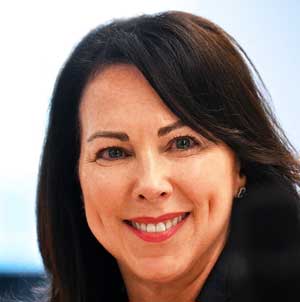
Lara Dewar, CMO
GSMA
“I think that technology will give everybody superpowers that will enable them truly to be what they can be. So I don't think it's leveling the playing field because that's not what we're striving for. We want talent to be what it can. And there are some people who will always be better than others, but I think it really will give people opportunities worldwide to be whatever they can be, whatever they want to be.”
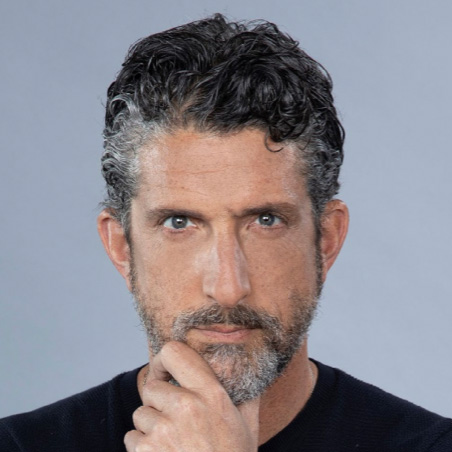
Gil Rosen
CMO, Amdocs
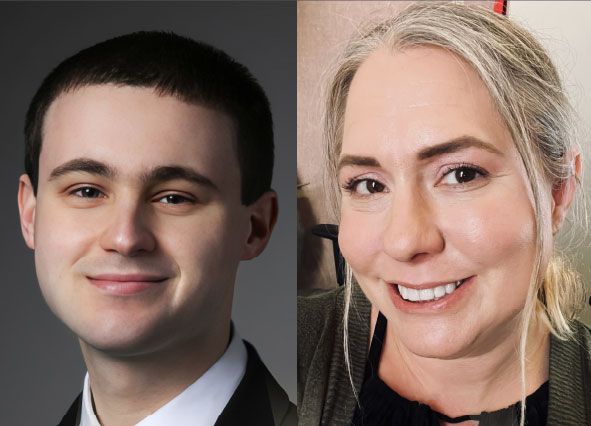
“We're aiming to create a whole generation globally of teenagers who have the skills of innovation and entrepreneurship so they can go and solve the big, hairy challenges that our world has.

Hugo Pickford-Wardle
Founder & Chief Growth Officer, Startup Sherpas
“So you need to start with the younger teens from 13 year old to 19 year olds, and getting them into that mindset. We're not saying we want you all to start companies, but we were saying, is that what you want? We want you to start thinking of how you're going to commercialize. How are you going to solve big problems? And that entrepreneurial mindset is what gives those folks that those ideas and they can think outside the box.”
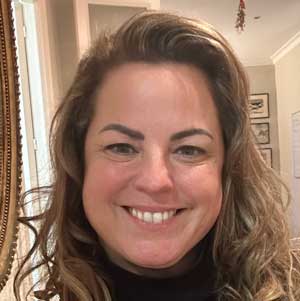
Natalia Olson-Urtecho
Director of Government Innovation & Growth, Startup Sherpas
More in this series
Matt Roberts, Head of Customer Marketing, Americas, Amdocs
S7 E10
21 Dec 2023
Matt Roberts, Head of Customer Marketing, Americas, Amdocs
S7 E9
45:19
14 Dec 2023
Matt Roberts, Head of Customer Marketing, Americas
S7 E8
07 Dec 2023
Mike MacDade, Chief of Staff, Amdocs
S7 E7
30 Nov 2023

Mike MacDade, Chief of Staff, Amdocs
S7 E6
24 Nov 2023